Transform Your Bedroom With Modern Adjustable Beds
Adjustable beds are receiving attention for their ability to enhance sleep quality and comfort. These versatile designs allow users to raise their heads or legs, tackling common issues such as snoring and acid reflux. With characteristics like wireless remotes and integrated massage features, they cater to diverse needs. As the demand for customized sleep options increases, understanding the specifics of adjustable beds becomes crucial to making an well-informed choice about one's sleep environment.
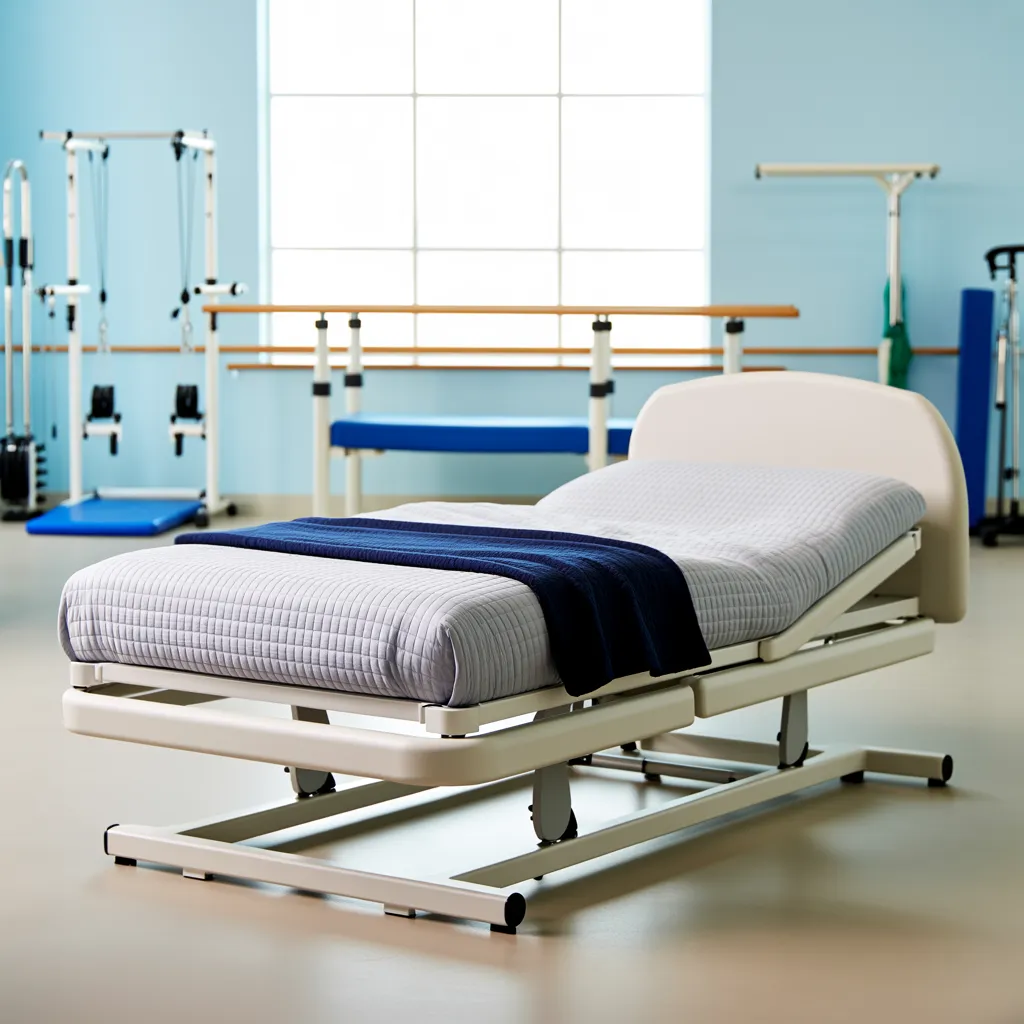
How Adjustable Beds Enhance Sleep Quality
While many people experience hardship with restful sleep, adjustable beds offer a favorable solution. These beds allow individuals to customize their sleeping positions, which can alleviate discomfort and advance enhanced sleep. By positioning the head or legs, adjustable beds can reduce issues such as snoring, acid reflux, and sleep-related breathing disorders, leading to uninterrupted sleep cycles.
Moreover, the capacity to discover a personalized position can improve spinal alignment, decreasing back pain for many individuals. The ergonomic assistance offered by beds with adjustable features encourages a more peaceful sleep, as users can locate the perfect angle that matches their preferences.
Also, these beds can encourage tranquility, making it less difficult for individuals to wind down before bedtime. Overall, adjustable beds cater to various rest preferences, greatly improving the overall sleep experience and quality, ultimately fostering better health and well-being.
Key Features to Consider in Flexible Beds
Adjustable beds come with a selection of elements that boost their performance and comfort level. One important element is the range of angles provided for modification, allowing people to lift their feet or head for greatest relaxation. Remote controls with wireless technology are also vital, offering hassle-free modifications from within the bed.
A key factor is the bed's weight capacity, which ensures it can support various body types. Additionally, some models come with integrated massage features, providing relaxation and stress relief. Compatibility with different mattress types is necessary, allowing users to pick their preferred comfort level.
Additionally, take into account the availability of safety features like automatic return and anti-collision technology. In conclusion, the product guarantee and customer support choices should not be overlooked, as they reflect the manufacturer's confidence in the durability of the product. These features together add to an improved sleeping experience and improved overall satisfaction.
Increasing Relaxation By Way of Variable Beds
Often, individuals enjoy significant enhancements in ease when utilizing beds that adjust. These beds allow users to personalize their sleeping position, meeting personal preferences and specific needs. By raising the head or foot sections, sleepers can alleviate pressure on the spine and joints, encouraging better alignment and decreasing discomfort.
Additionally, customizable bed frames can be especially helpful for individuals dealing with certain medical ailments, such as acid reflux or sleep apnea. Elevating the upper body can assist in minimizing symptoms, while raising the legs may improve circulation and reduce swelling.
The flexibility of adjustable beds also reaches to their capacity to accommodate different activities. Whether enjoying a book, viewing TV, or completing work from bed, users can discover a posture that enhances their overall experience. Ultimately, the adjustability of beds that adjust greatly contributes to enhanced sleep quality and overall well-being.
Comparing Adjustable Bed Designs and Its Benefits
Exploring the different styles of adjustable beds uncovers unique advantages designed for individual needs. The most popular varieties include dual-zone adjustable beds, which allow partners to customize their side independently, enhancing comfort for both. Additionally, wall-hugging models keep proximity to nightstands while changing positions, rendering them functional in smaller spaces.
Additionally, some models present zero-gravity settings, which elevate the head and legs, affording relief from pressure points and improving circulation. Other beds come fitted with massage functions, offering relaxation and helping with stress reduction.
Materials vary as well, with options spanning from memory foam to hybrid designs, addressing different needs for firmness and support.
Ultimately, the choice of adjustable sleeping surface configuration can significantly enhance sleep comfort and overall well-being, making it essential for buyers to evaluate their particular needs and daily habits when selecting the perfect option.
Steps for Arranging Your Flexible Sleeping Surface Easily
Setting up an adjustable bed demands a few direct steps to guarantee proper functionality. First, unboxing and inspecting all pieces is essential for pinpointing any potential issues. Once approved, assembling the bed frame and joining the power and settings will complete the setup process expeditiously.
Unbox and Examine Components
Examining an modular bed system presents a collection of parts built for quick setup and perfect comfort. Often, the delivery incorporates the bed frame, adaptive base, wireless controller, electrical source, and multiple accessories such as connectors and bolts. Each component is well-protected to guarantee safety when shipping.
Throughout detailed inspection, it is essential to confirm that all parts are present and undamaged. Users should test the remote for functionality and verify that wiring are undamaged. Also, assessing the base structure for any manufacturing defects is vital. Proper review at this stage can reduce frustration and time wasted during the assembly process. With everything accounted for, users can proceed with confidence to assemble their new bed frame.
Assemble The Bed Frame
Starting the assembly of the bed frame involves arranging all parts in a organized manner, ensuring easy access throughout the process. The frame typically includes side rails, end rails, and support slats. Begin by joining the side rails to the head and footboards following the given instructions, securing each joint with appropriate hardware. Then, install the support slats across the width of the frame, making sure they are evenly spaced to maximize mattress support. After the frame is fully constructed, check stability by gently shaking it. Corrections can be made if needed to ensure a secure and sturdy setup. With the frame in position, the next steps can proceed without issues.
Integrate Power And Adjustments
To develop an ideal experience with the motorized bed, joining the power supply and adjusting the settings is essential. First, locate the electrical cord and connect it to a neighboring outlet, guaranteeing it is securely connected. Next, power on the bed's control panel, often positioned on the foot or side of the bed frame. This unit usually features a remote control or a mobile app for convenience. Users should then adjust the bed's settings, such as head and foot height, according to individual comfort needs. It is wise to check out additional settings, such as massage functions or preset positions. Finally, making sure that all connections are secure can avoid interruptions while using, enhancing overall satisfaction with the adjustable bed experience.
Countering Popular Misconceptions About Adjustable Bed Systems
Many false ideas surround adjustable beds, especially regarding comfort and mobility benefits. Some think that these beds are inherently uncomfortable or that their advantages are restricted to those with mobility issues. Tackling these myths is vital to comprehending the true value of adjustable beds.
Adjustable Beds Deliver Uneasiness
Adjustable beds often draw criticism for seeming uncomfortable, yet this perception is largely unfounded. Many users indicate that these beds boost their resting quality by allowing personalized positioning. The capacity to elevate the upper or lower body can alleviate strain on particular body parts, promoting circulation and minimizing discomfort. Additionally, adjustable beds come equipped with various mattress types, including memory foam and latex, which address individual tastes for firmness and support. Many manufacturers also emphasize ergonomic design, ensuring that the bed molds to the body's natural shape. As a result, adjustable beds can offer a amount of ease that traditional beds cannot offer, challenging the myth that they are inherently uncomfortable for sleep.
Benefits Solely for Restricted Mobility
While some may believe that adjustable beds only benefit those with mobility constraints, this assumption overlooks the diverse benefits they deliver to a broader array of users. Adjustable beds can boost coziness for people without physical challenges by permitting personalized adjustment options that promote relaxation and reduces pressure points. They are particularly beneficial for those who endure disorders like acid reflux or breathing issues, as raising the head can boost breathing and nutrient processing. Furthermore, adjustable beds can enhance overall sleep quality by supporting different rest arrangements. By challenging the misconception that these beds are exclusively for the mobility-impaired, it becomes clear that they appeal to anyone seeking a more restorative and tailored rest learn here quality.
Superior Mattresses for Adjustable Beds
Determining the appropriate mattress for an adjustable bed can greatly enhance comfort and support. Memory foam mattresses are frequently suggested due to their knack for conforming to the body's shape, affording pressure relief and alignment. Furthermore, they normally perform well with adjustable bases, allowing for smooth movement without impairing comfort.
Latex mattresses stand as another excellent choice, delivering a lively experience and strength. They provide a balanced support that can support different postures, rendering them perfect for adjustable beds. Additionally, combination mattresses, which blend innerspring and latex and foam, provide a multipurpose alternative. These mattresses offer the bounce of traditional innerspring with the contouring support of foam.
Lastly, it's crucial to assess thickness. Mattresses of 10 to 14 inches are usually most suitable with adjustable frames, providing flexibility and support while remaining streamlined. Opting for the proper design can substantially boost the adjustable sleeping experience.
Frequently Asked Questions
Do all mattress types work with adjustable bed frames?
Adjustable beds are generally suitable with various mattress types, such as memory foam, latex, and hybrids. However, it's crucial to review specific manufacturer guidelines to ensure peak performance and comfort for each mattress design.
Do Flexible Mattress Systems Require Special Bedding or Accessories?
Adjustable beds typically do not require unique bed linens or add-ons. However, using fitted sheets made for adjustable bases can enhance support and comfort, ensuring the bedding adapts to the bed's motion effectively and stays secure.
How Many Years Can Adjustable Beds Normally Last?
Adjustable beds generally have a lifespan of 10 to 20 years, subject to usage and quality. With regular maintenance and proper care, their lifespan can be improved, maintaining continued comfort and functionality for individuals over time.
Are Variable Beds Advantageous for Specific Health Issues?
Adjustable beds can truly support particular health conditions, such as sleep apnea, acid reflux, and chronic pain. By promoting ideal sleeping positions, they may alleviate discomfort and improve overall sleep quality for many individuals.
Do adjustable beds create noise when modifying positions?
Adjustable beds may produce varying sound outputs when changing positions. Many models run very quietly, while some may create minor noises due to motors or mechanisms. Overall, most users view the noise as minimally disruptive during use.